

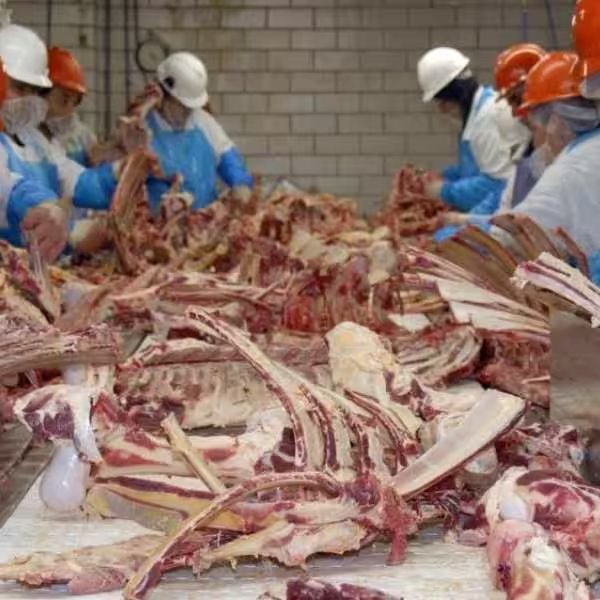
It has been more than two years since David Olmos Herrera left his job at the JBS Swift & Co. slaughterhouse in Louisville, Kentucky, but he still recalls the filth, extreme heat from industrial equipment, and overwhelming smell of dead animals. At the Butchertown plant, about 10,000 pigs are processed daily, and according to Olmos Herrera, operations continue even when equipment fails. He said this led to overflowing animal parts and fluids, creating extremely difficult working conditions.
Pig “heads start just falling on the floor and piling up to the point that you can’t even walk through,” Olmos Herrera said, adding that the smell made it hard to breathe. “They don’t let us open any door or gate,” he said, noting that this was to prevent odor complaints from nearby residents. He described going to work as “painful” and said he only felt relief when working outdoors.
Since leaving, Olmos Herrera has turned to social media to highlight conditions inside the plant. “It’s totally insane,” he said, “the way they treat people over there.”
Slaughterhouse work is high risk
Slaughterhouse jobs are considered among the most dangerous in the United States. USDA research shows that about 46% of pork processing workers face a high risk of injury due to repetitive and fast-paced tasks, often leading to chronic pain or long-term disabilities. The risk rises to 81% for poultry workers, where injuries, including amputations, are more common.
A large portion of the workforce includes immigrants, some undocumented, who may hesitate to report injuries due to fear of retaliation or job loss. Reports have also pointed to low wages, unsafe conditions, and limited labor protections.
Recently, 3,800 workers at a JBS plant in Colorado went on strike—the first major U.S. slaughterhouse strike in 40 years—following claims of retaliation and unfair labor practices during contract negotiations.
A history of complaints
JBS, the world’s largest meat processing company, operates the Louisville plant, which originally opened in 1969 as a Swift & Company facility and became part of JBS in 2007.
The facility has faced years of complaints from nearby residents over strong odors. In 2017, the city of Louisville reached a settlement with the plant over complaints dating back to 2011, requiring the company to pay fines and bring in a third party to review operations.
Despite that, complaints have continued. The city’s Air Pollution Control District has recorded hundreds of odor complaints in recent years, linked to processes involving animal waste and chemical treatments.
In 2022, a class-action lawsuit was filed over alleged “noxious odors.” A proposed settlement includes funding for facility upgrades and compensation for nearby residents, though the company does not admit wrongdoing.
The plant has also experienced safety incidents, including an ammonia leak in 2023 and a sodium bisulfite leak in 2024.
Broken equipment and hazardous conditions
Olmos Herrera worked at the plant from 2006 to 2023, starting in meat cutting before moving into maintenance and eventually supervising the rendering department. Rendering involves processing inedible animal parts like bones, fat, and blood into materials used in products such as fertilizer and pet food.
He said supervisors sometimes asked him to record equipment failures on his personal phone because they did not want to inspect the area themselves.
One video reportedly shows animal blood overflowing from a malfunctioning machine, with some appearing to drain into a city sewer. Regulations typically limit such discharges.
In response, a JBS representative said the company maintains controlled drainage systems and conducts inspections to ensure compliance.
Other footage shows animal parts spilling from conveyor belts due to broken equipment. Olmos Herrera described the conditions as “basically navigating in guts and poor conditions.”
The company said the footage reflects past conditions and that improvements have since been made. It added that equipment issues are addressed promptly and that operations follow strict safety and sanitation standards.
According to the USDA’s Food Safety and Inspection Service, inspectors are present during operations to monitor compliance with safety and sanitation rules.
Sharing the experience online
Olmos Herrera also criticized workplace expectations, saying supervisors were pressured to push workers aggressively. He said long shifts often extended beyond 12 hours, sometimes reaching 14 or 15 hours.
After leaving, he began sharing videos and photos online to raise awareness. He now has more than 90,000 followers across social media platforms.
The footage shows various aspects of the facility, including processing lines and rendering operations, as well as employee areas that appear unclean. Some viewers have expressed concern about working conditions, while others say the videos influenced their dietary choices.
Olmos Herrera said his goal is to shed light on the realities inside the slaughterhouse and encourage improvements in working conditions.






Leave a Reply