

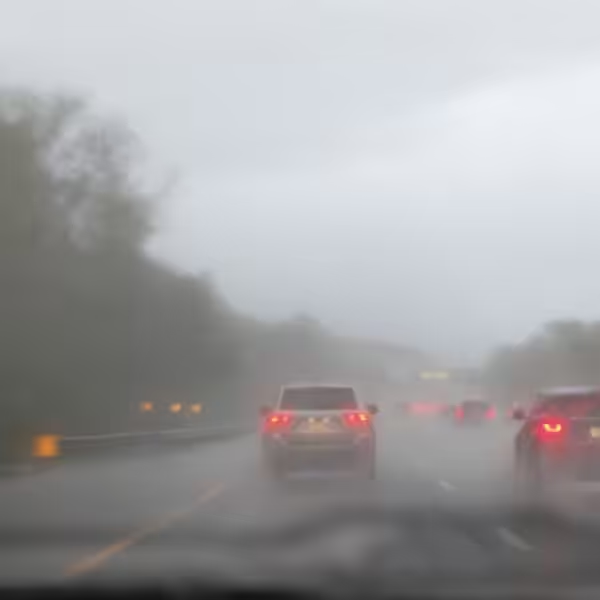
A dangerous line of severe thunderstorms is moving east across the Mid-South today, and the National Weather Service in Memphis is warning of serious travel hazards.
A Tornado Watch remains in effect across parts of Arkansas, Tennessee, Mississippi, and Missouri through Sunday evening. The National Weather Service office in Memphis reported wind gusts already reaching up to 45 mph ahead of the storm line, with the main squall expected to produce gusts as strong as 70 mph as it moves east this afternoon and evening.
The primary threats include damaging straight-line winds, brief tornadoes, and large hail up to 1.5 inches in diameter. According to the Storm Prediction Center, the greatest tornado and wind threat stretches from the Arkansas–Louisiana–Mississippi corridor into the Lower Ohio Valley, with the most dangerous period expected between about 4 p.m. and midnight CDT.
Storm System Expected to Continue Into Monday
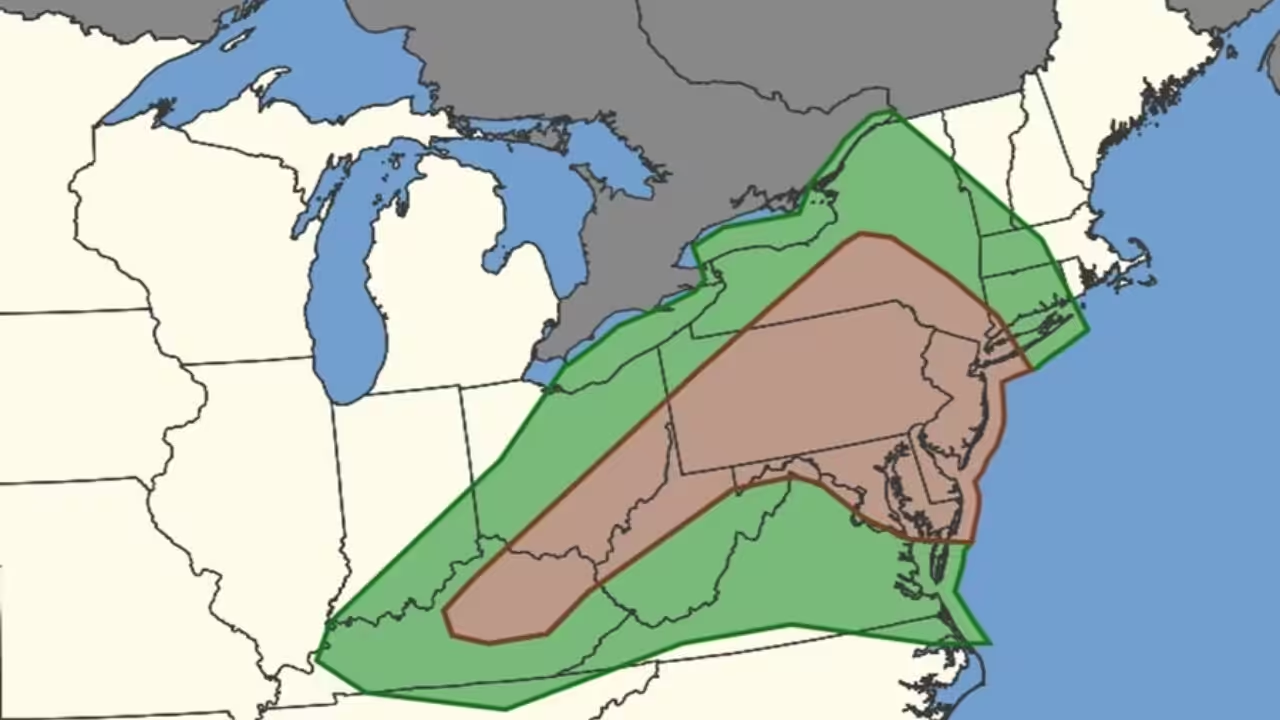
The storm system is not expected to end quickly. The Weather Prediction Center says the cold front will continue moving east through Monday morning, carrying the severe weather threat into the Ohio Valley, Tennessee Valley, and parts of the Deep South. By early Monday, the highest risk is forecast to shift toward the Mid-Atlantic region.
More than 200 million Americans are located somewhere within the projected path of the storm system between Sunday afternoon and Monday night. Behind the cold front, temperatures could drop sharply by 20 to 30 degrees, increasing the possibility of a flash freeze on wet roadways across Tennessee and Kentucky overnight.
Major Highways in the Path
The storm corridor crosses several major transportation routes used heavily by freight traffic and travelers.
Interstate 55 between Memphis and St. Louis lies directly within the highest-risk zone. Interstate 40 across western and central Tennessee could see the squall line pass between 6 p.m. and 9 p.m. CDT. Interstate 65 through Nashville may face strong winds and possible tornado activity overnight as the storm system continues moving east.
Meteorologists warn that isolated tornado touchdowns near highways are possible in this type of setup. The National Weather Service in Memphis said atmospheric conditions show strong low-level rotation, which could support brief but powerful tornadoes if individual storms form ahead of the main line.
What Drivers Should Know
Drivers traveling in the affected areas should consider leaving the road before the storm line arrives. A squall line capable of producing 70 mph winds often moves quickly, sometimes at speeds between 40 and 55 mph, leaving very little time to react once it approaches.
If severe weather develops while driving, experts advise never seeking shelter under an overpass. Wind speeds can increase in the narrow space beneath bridges, and drivers remain exposed to flying debris.
Instead, pull well off the roadway if possible, angle the vehicle away from the direction of the storm, keep your seatbelt fastened, and stay below window level if a tornado appears imminent.
Drivers should also turn off cruise control once rain begins. At highway speeds, cruise control can reduce the driver’s ability to react to sudden traction loss, increasing the risk of hydroplaning. Reducing speed by at least 10 mph below the posted limit and maintaining a following distance of at least six seconds on wet pavement can improve safety.
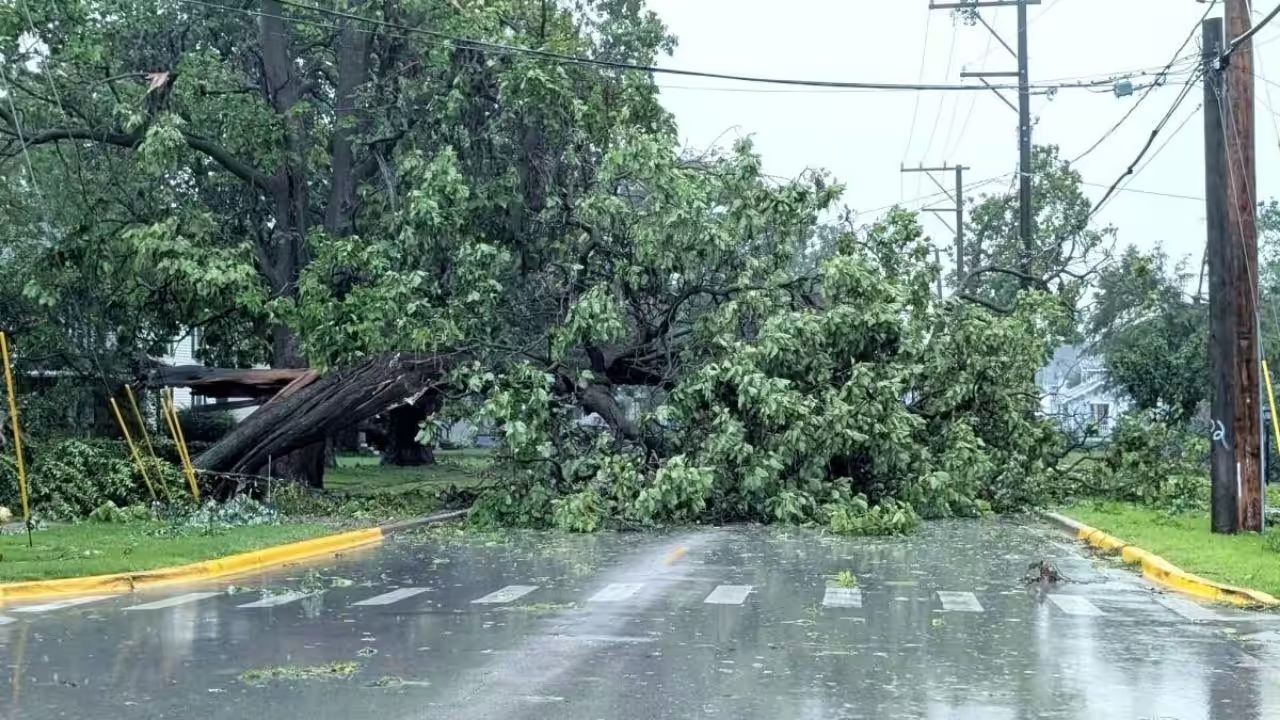
After the storms pass, drivers should remain alert for debris on roadways until cleanup crews can clear affected areas. High-profile vehicles such as trucks, SUVs, and RVs are particularly vulnerable to strong crosswinds, especially on bridges and overpasses where gusts can reach dangerous levels.





Leave a Reply