

Rumors about new stimulus checks, IRS direct deposits, relief payments, and tariff dividends spread throughout 2025 and are still circulating as we enter 2026. But is there any truth to them?
Here’s a quick look at the facts:
Federal stimulus payments for January 2026
What we know:
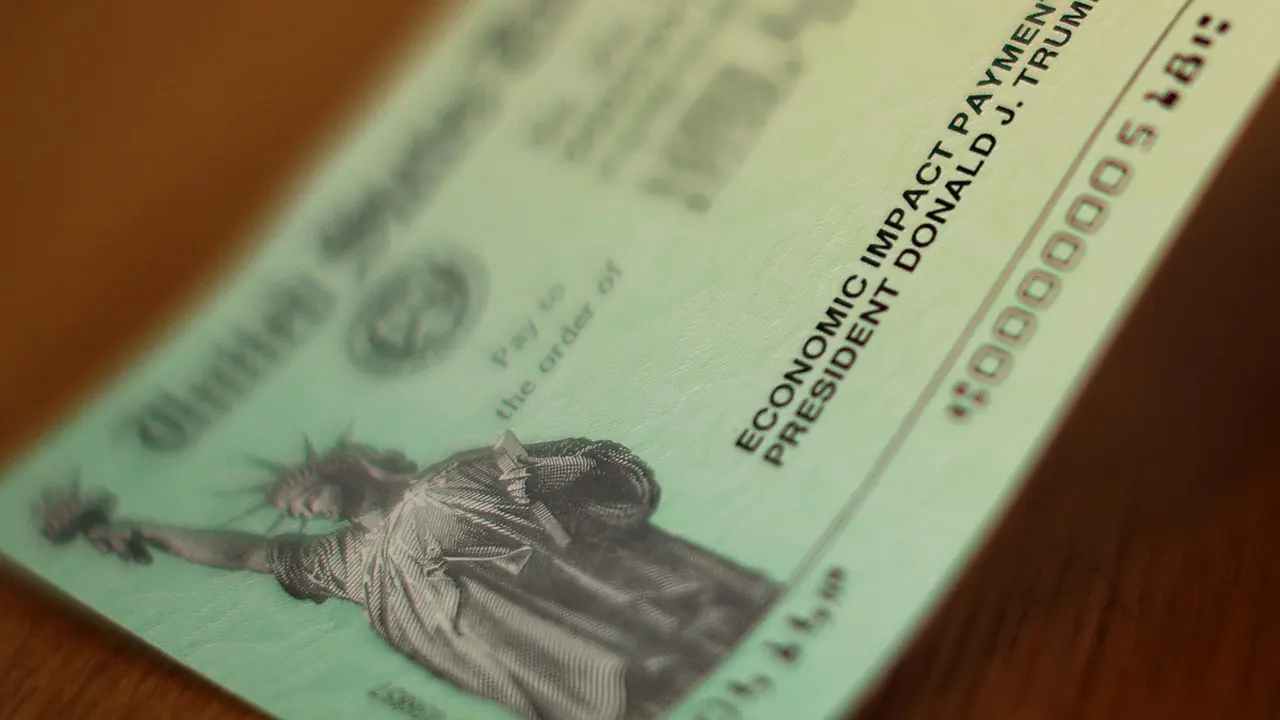
The last round of federal economic impact payments was issued in 2021, and any new stimulus checks would require approval from Congress.
In 2024, the IRS sent automatic payments to eligible taxpayers who did not claim the Recovery Rebate Credit on their 2021 tax returns. These payments, worth up to $1,400 per person, were distributed by direct deposit or paper check between December 2024 and January 2025. Recipients also received notification letters by mail.
Taxpayers had one final chance to claim the $1,400 credit by filing a 2021 tax return before April 15, 2025. That deadline has now passed, and no extensions were granted.
As of now, Congress has not authorized new stimulus payments, and the IRS has not announced any upcoming checks.
Trump’s $2,000 tariff dividend proposals
What we know:
President Donald Trump has repeatedly floated the idea that every American could receive a $2,000 “dividend” funded by import taxes. The proposal is part of his broader push to build support for tariffs, which he argues protect U.S. industries and encourage manufacturers to bring jobs back from overseas.
However, a November analysis from the Tax Foundation estimated the cost of such payments would range from $279.8 billion to $606.8 billion, depending on how the program is structured. The analysis projected tariff revenue of $158.4 billion in 2025 and $207.5 billion in 2026, amounts that fall well short of covering the payments while also reducing the federal deficit—another goal Trump has linked to tariffs.
During a Dec. 2 cabinet meeting, Trump claimed the U.S. is collecting “trillions of dollars” from tariffs and said the money would be returned to Americans through dividend-style refund checks. He added that 2026 could become “the largest tax refund season ever.”
Calculations from Democrats on Congress’ Joint Economic Committee paint a different picture. The group estimates that import taxes have cost the average American household nearly $1,200 since Trump returned to the White House.
Using Treasury Department tariff data and Goldman Sachs estimates on who ultimately bears those costs, the committee reported in December that consumers paid nearly $159 billion in total—about $1,198 per household—from February through November.
Details about any tariff dividend remain limited, and no finalized plan has been announced.
DOGE dividend payment proposals
What we know:
In 2025, as the Department of Government Efficiency implemented significant cuts across federal agencies and staffing, Trump briefly raised the idea of issuing a DOGE dividend to U.S. citizens.
Several Republican lawmakers and administration officials expressed skepticism, while economists cautioned that such payments could drive inflation by increasing consumer spending.
GOP lawmakers made similar claims in 2021, arguing that direct payments included in President Biden’s pandemic relief package helped push prices higher.
So far, neither the tariff dividend nor the DOGE dividend has come to fruition.
$1,776 Warrior Dividend and Devotion to Duty payments
What we know:
In December 2025, President Donald Trump announced that nearly 1.5 million service members would receive a $1,776 bonus. The one-time, tax-free Warrior Dividend is intended to recognize their service and commemorate 250 years of U.S. military history.
The administration said the payments are funded through the president’s One Big Beautiful Bill. About 1.28 million active-duty service members and 174,000 reservists will receive the dividend as a nontaxable supplement to their monthly housing allowance.
According to the Associated Press, the Pentagon is issuing the payments from a $2.9 billion military housing supplement included in the legislation.
Separately, members of the U.S. Coast Guard will receive a similar one-time payment. The Devotion to Duty bonus is set at $2,000 before taxes, with take-home amounts closer to $1,776. These payments will be classified as “special duty pay” and funded through a measure Trump signed in November to keep the government operating through January.
Stimulus scams and recurring rumors
Recurring online claims of $1,702 or $1,390 “stimulus checks” often trace back to state-level programs, such as Alaska’s Permanent Fund Dividend, or to outright scams.
The IRS warns taxpayers to watch for emails, texts, websites and social media posts that request money or personal information.
Officials stress that the agency does not contact taxpayers through email, text messages or social media, and scammers frequently use fake accounts or links to impersonate the IRS.
IRS stimulus scam warnings
The IRS is warning taxpayers about fake stimulus payment messages designed to steal personal information.
Here’s how to tell whether the IRS is contacting you—or if it’s a scam:
- The IRS starts communication with an official letter or notice, which you can verify through a secure IRS Online Account or by contacting customer service.
- IRS agents may call after sending a notice, but they will not leave threatening, pre-recorded messages or demand immediate payment.
- Private collection agencies may contact taxpayers only after written notice, and all legitimate collection letters include a matching Taxpayer Authentication Number.
- To improve safety for both taxpayers and employees, the IRS has ended most unannounced visits by revenue officers.
- More info from the IRS online.











Leave a Reply