

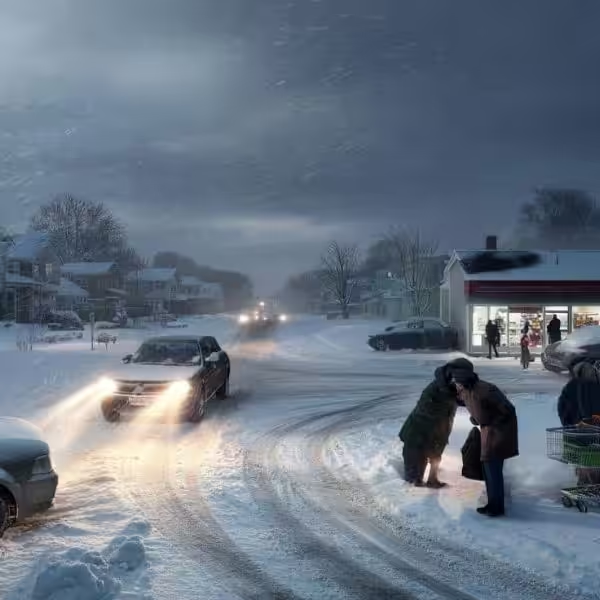
Winter weather can be disruptive on its own — but when storms begin arriving in waves, the impact multiplies. Forecasters are cautioning that an emerging pattern of back-to-back systems could bring repeated rounds of snow, ice, wind and prolonged cold, leaving little time for recovery between events.
Unlike a single storm that moves through and allows cleanup, this setup can strain infrastructure, travel and households over an extended stretch.
Why This Pattern Is More Concerning
A one-off winter storm typically allows time to clear roads, restore power and reset before the next system. When storms stack up:
-
Snow accumulates faster than it can melt
-
Ice layers build on top of existing ice
-
Road crews struggle to keep pace
-
Salt becomes less effective in sustained low temperatures
Fatigue becomes a factor as well. Repeated disruptions wear down response systems — and people.
Persistent Cold Makes It Worse
The danger isn’t just snowfall. It’s the cold air that remains locked in behind each system. When temperatures stay below freezing:
-
Slush refreezes overnight
-
Pipes remain vulnerable
-
Vehicle batteries fail more often
-
Power outages last longer
Without warming breaks between systems, even minor issues can escalate quickly.
Snow Totals Add Up Over Time
A few inches per storm may not sound alarming, but repeated accumulations can:
-
Stress roofs
-
Narrow roadways
-
Block visibility at intersections
-
Limit where plowed snow can be pushed
In rural areas especially, access for emergency vehicles can become more difficult as snowbanks grow.
Ice Remains the Biggest Wild Card
When storms alternate between snow, sleet and freezing rain, conditions can deteriorate rapidly. Even a thin layer of ice can:
-
Bring down tree limbs and power lines
-
Cause extended outages
-
Create dangerous bridge and overpass conditions
-
Make shaded roads especially hazardous
Ice events often cause more disruption than heavy snow because of their unpredictability and impact on utilities.
Travel Risks Increase With Each System
Travel windows between storms may shrink, and forecast precision decreases several days out. Drivers may begin a trip in clear conditions and encounter rapidly changing weather.
Air travel also tends to see compounding delays as equipment and crews fall behind schedule.
Meteorologists consistently stress that avoiding unnecessary travel during multi-storm patterns is often the safest choice.
Preparation Should Start Before the First Storm
Forecasters emphasize that when multiple systems are lining up, early preparation is key.
Practical steps include:
-
Topping off fuel tanks
-
Checking backup heat sources
-
Ensuring flashlights and batteries are working
-
Stocking essential groceries and medications
-
Clearing storm drains and checking roof areas
-
Reviewing emergency plans with family members
This isn’t about panic — it’s about buying time and reducing stress when conditions worsen.
The Bottom Line
When winter settles into a repeating pattern, the lack of recovery time is what causes the most strain. Repeated snow, ice and cold test roads, power grids and daily routines.
Meteorologists’ advice is simple: steady preparation now prevents bigger problems later.





Leave a Reply