

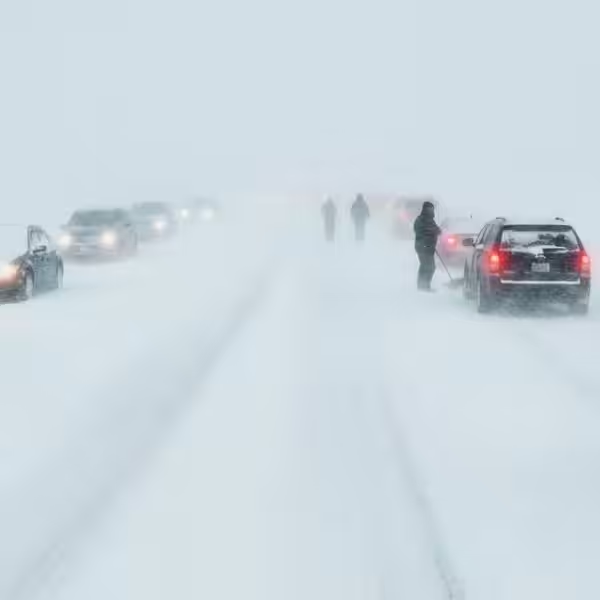
A powerful winter system is reshaping travel conditions across large portions of the United States, bringing high winds, extreme snowfall totals in mountain regions and hazardous roadways that are catching many drivers off guard.
Winter storm warnings are in effect from February 15 through February 18 in multiple regions. Forecasters warn wind gusts could reach 60 mph, increasing the risk of blowing snow, whiteout conditions and downed tree limbs. In higher elevations, snowfall totals could approach eight feet over several days, while some lower elevations may see up to 20 inches.
A Winter Pattern Flip
This storm cycle has produced an unusual pattern:
-
Some Southern states are dealing with heavier snow than usual.
-
Traditionally snow-heavy areas are seeing more variability.
-
Infrastructure in warmer regions is being strained.
States that do not typically maintain large fleets of plows and salt trucks are especially vulnerable. Secondary roads, bridges and overpasses often remain icy long after major highways reopen. Transportation officials are urging drivers to postpone non-essential travel until advisories are lifted.
What Drivers Should Do Before Traveling
Preparation can mean the difference between inconvenience and emergency.
Before You Leave:
-
Carry blankets and extra warm clothing
-
Pack non-perishable food and water
-
Bring phone chargers or power banks
-
Keep a flashlight and basic first-aid kit
-
Check your state Department of Transportation website
-
Review the latest advisories from the National Weather Service
Weather conditions can shift dramatically within just a few miles, particularly in hilly or mountainous terrain.
On the Road: Critical Safety Tips
-
Reduce speed significantly, especially on ramps and bridges
-
Turn on headlights in reduced visibility
-
Treat malfunctioning traffic signals as four-way stops
-
Increase following distance — stopping distances expand greatly on snow and ice
-
Avoid sudden braking or steering movements
If conditions worsen, pulling off the road to a safe location is often the safest decision.
Sierra Nevada: Chain Controls and Whiteout Risk
In California’s Sierra Nevada, fresh rounds of snow are reversing what had been a below-average snowpack season. Multiple feet of accumulation are expected along major corridors including:
-
Donner Pass
-
Sierra Nevada
Authorities are enforcing chain control during heavy snowfall periods.
Under R-2 restrictions:
-
Standard passenger vehicles must install chains
-
Four-wheel drive vehicles must use snow-rated tires on all four wheels
-
Speed limits may be reduced to 25–30 mph
Restrictions are strictly enforced for safety.
Bottom Line
With strong winds, significant snowfall and shifting conditions, this storm cycle presents serious travel hazards. Preparedness, patience and flexibility are essential.
If roads are snow-covered, visibility is poor or freezing rain develops, the safest place to be may be at home until conditions improve.





Leave a Reply