

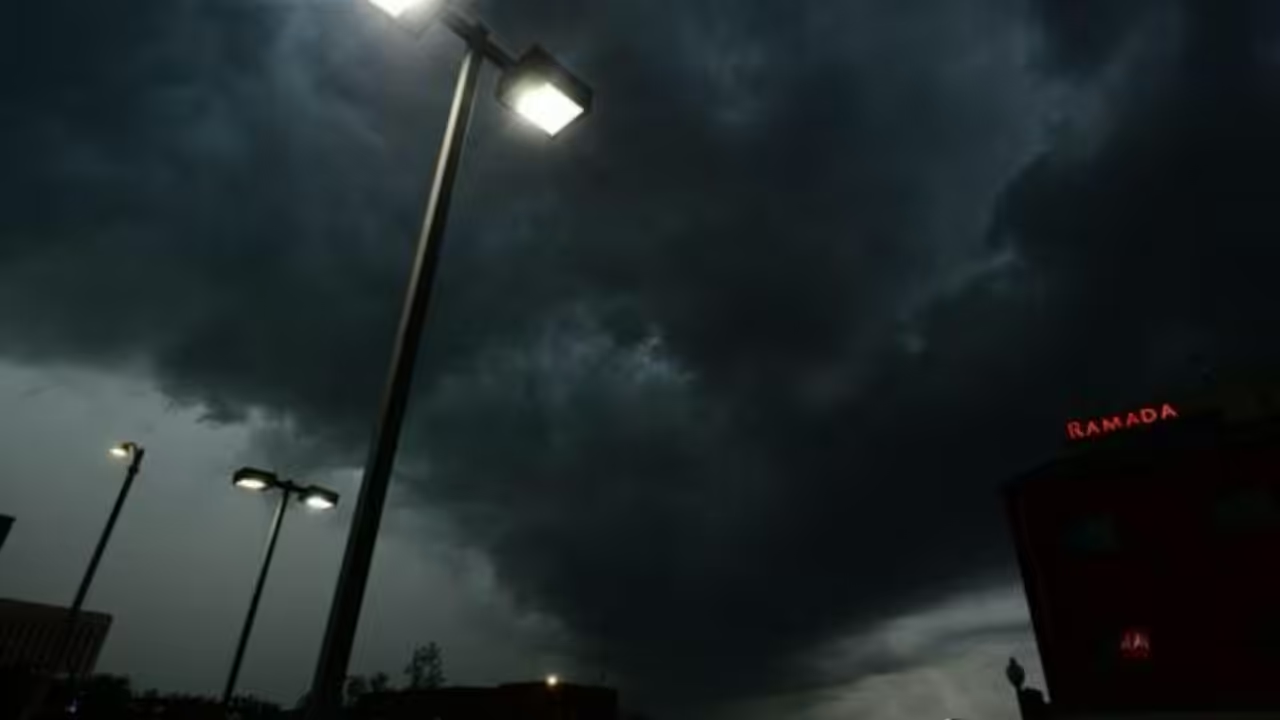
The National Weather Service has issued a dangerous weather warning for sections of the northeastern United States, with strong storms expected to hit the region on Tuesday, July 14. Officials are urging residents to prepare for potentially violent thunderstorm activity, which might pose serious risks.
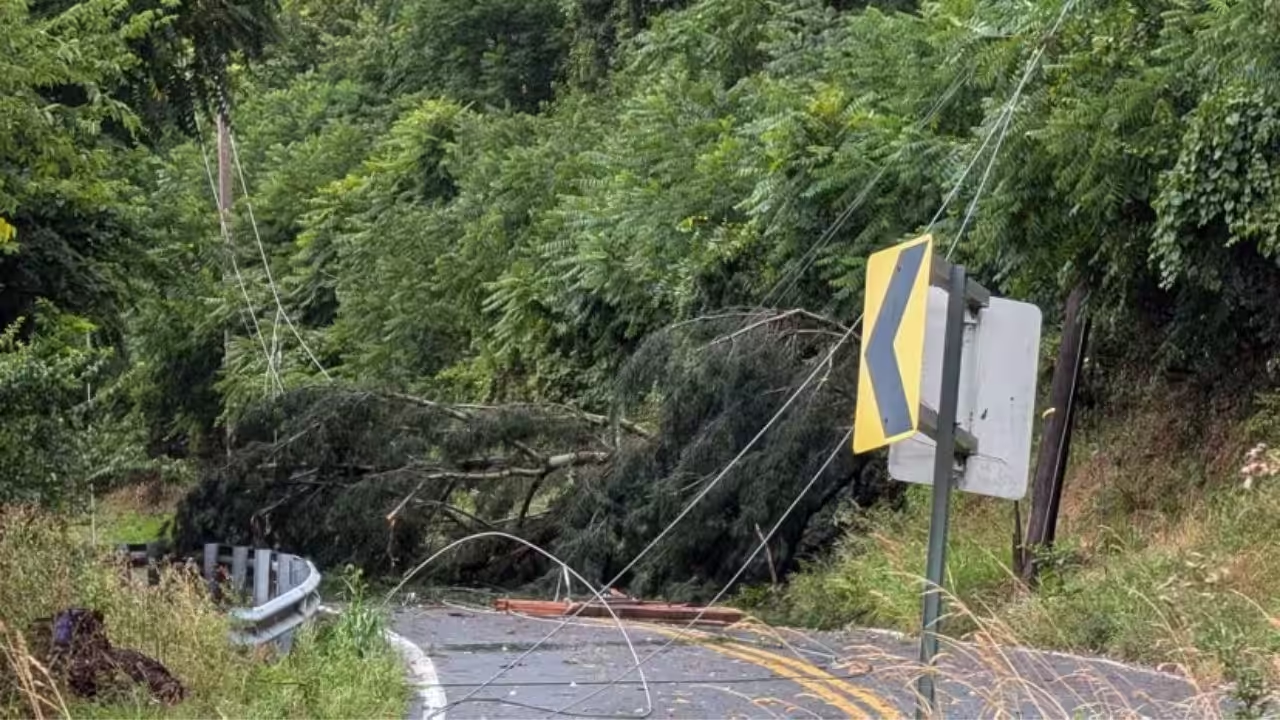
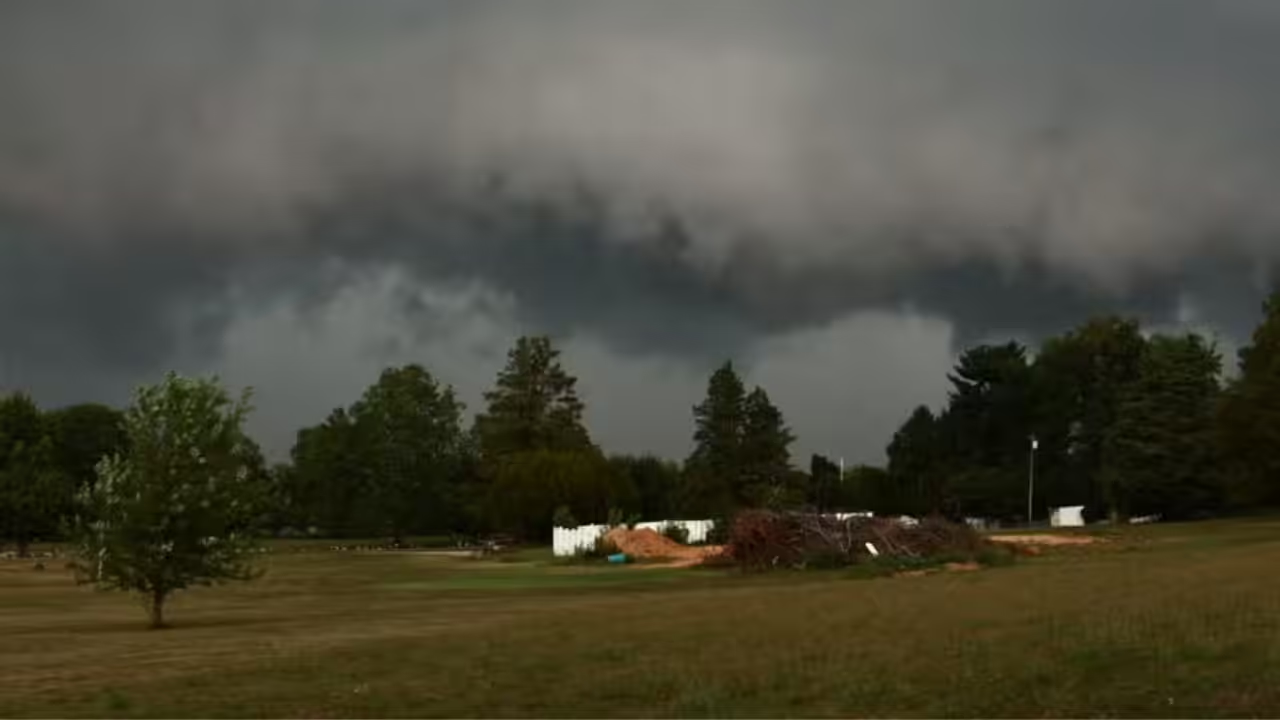
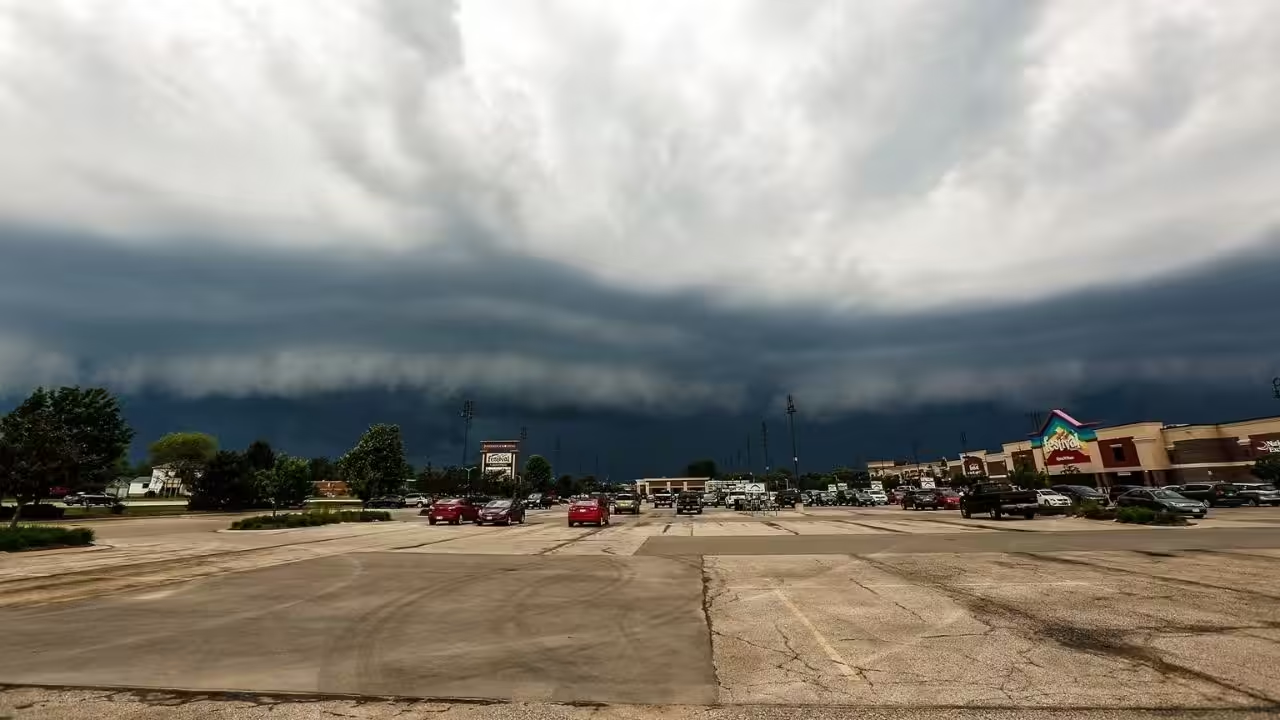
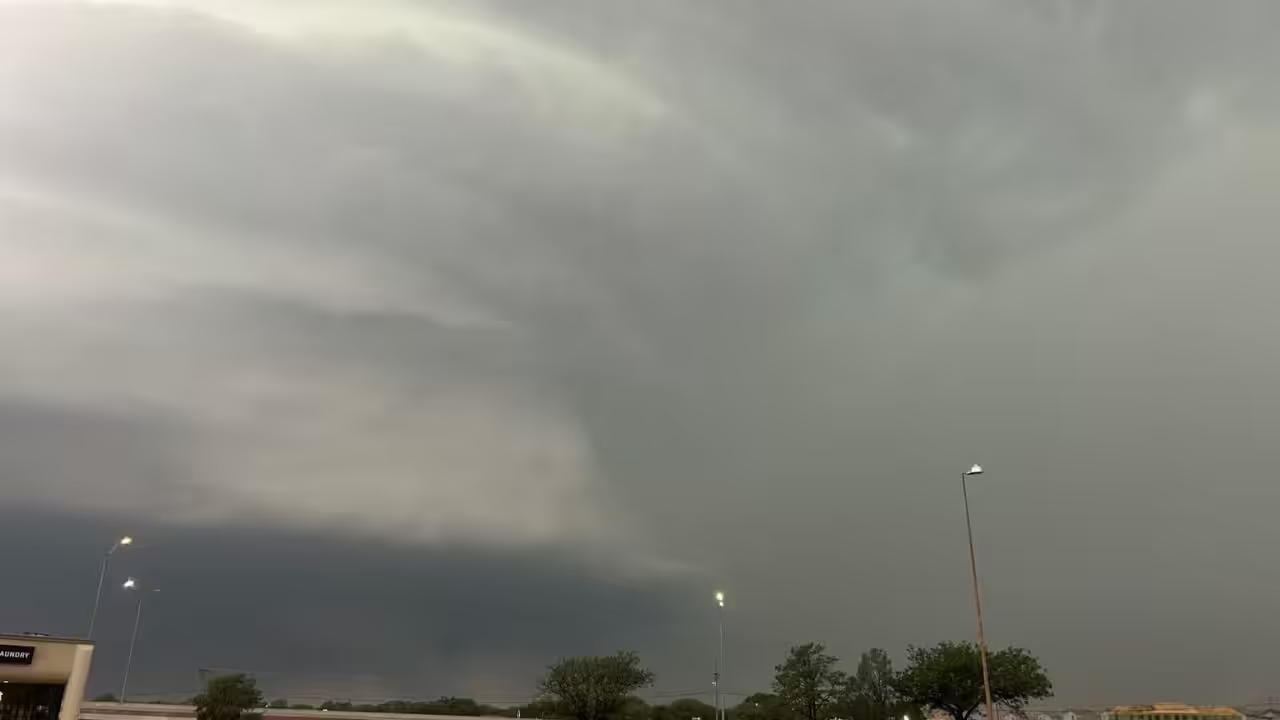
Forecasters predict a combination of powerful weather features, including loud thunder and frequent lightning, heavy rains, strong winds, and the possibility of huge hail. These conditions have raised awareness in various states where the storms are likely to hit.
New York, Vermont, New Hampshire, and Maine are among the states currently under surveillance. Residents in these locations are warned to remain vigilant as the system comes through, as circumstances can change quickly and have serious consequences.
Experts advocate staying up to date on the latest events through reliable local media sources or official weather radio broadcasts. This constant monitoring enables individuals to respond effectively when watches or warnings are upgraded.
At home, it is best to plan ahead of time a safe internal space away from windows and outside walls. If a severe thunderstorm warning is issued, move swiftly, along with family members and pets, if time allows, since high winds or hail may approach unexpectedly.
People in offices, schools, and other public facilities should avoid sitting near windows during active warnings. Large open rooms, such as cafeterias, gyms, or auditoriums, should also be avoided since they provide less protection from flying debris or structural damage caused by severe winds.
Those who are outside while a storm is approaching should seek shelter immediately inside a strong, well-constructed building. Temporary shelters, such as sheds, provide minimal protection, and seeking shelter beneath trees is strongly discouraged due to the simultaneous dangers of falling limbs and an increased lightning risk.
Motorists are better protected inside their vehicles than outdoors. However, if there is enough time, vehicles should head to the nearest solid shelter rather than staying on the road.
The National Weather Service is continuing to monitor the storm system and will update forecasts as new information becomes available. Local emergency management organizations are also prepared to assist communities if the effects are more severe than expected.
Preparation is the most effective safeguard against severe weather catastrophes. Residents in impacted states can lessen their risk and respond efficiently to storms by reviewing safety precautions now and sharing them with others.
Staying informed and taking decisive action will assist in safeguarding the safety of families and individuals across the region.






Leave a Reply