

This isn’t meant to sound alarmist, but it’s something Kentuckians should be aware of. Lifestyle plays a major role in overall health, and cancer is a key part of that conversation.
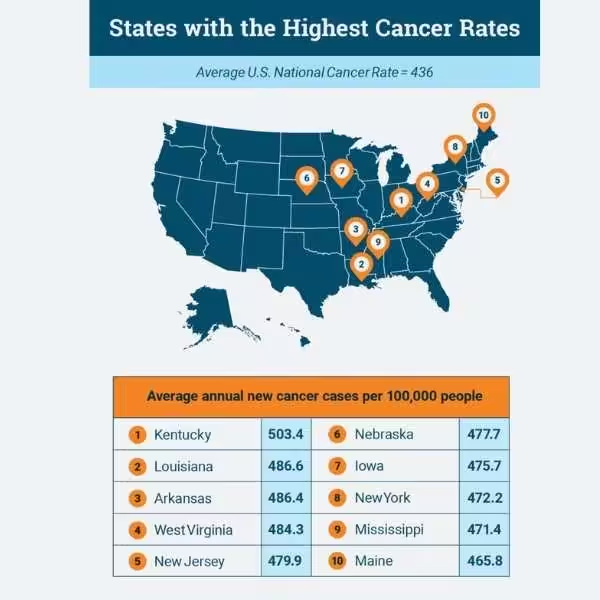
According to data from the Centers for Disease Control and Prevention, Kentucky ranks first in the nation for cancer incidence, based on new cases per 100,000 residents. The state records about 503 new cases per 100,000 people, compared to the national average of 436.
Data from the National Cancer Institute also shows Kentucky has the highest cancer mortality rate in the country. The Kentucky Cabinet for Health and Human Services reports that, with a population of 4.4 million, the state sees an average of 27,441 new cancer cases and 10,141 cancer-related deaths each year.
Types of Cancer in Kentucky
Cancer rates vary by type, and Kentucky ranks among the highest in several categories:
- Number one for lung cancer
- Number two for colorectal and pancreatic cancer
- Number three for laryngeal cancer
These rankings highlight where the greatest risks lie.
Why Cancer Rates Are So High
There isn’t a single cause, but several contributing factors stand out.
Smoking is a major factor. Kentucky consistently ranks as the second-highest state for smoking, behind West Virginia. Tobacco use remains one of the leading causes of preventable cancer.
Obesity is another key contributor. About 36% of the population is classified as obese. The CDC links obesity to at least 13 types of cancer and estimates it may account for 5% to 11% of new cancer cases nationwide. Excess body fat can lead to chronic inflammation, elevated insulin levels, and hormone imbalances.
Diet also plays a role. In some areas, limited access to healthy food options makes it harder to maintain balanced nutrition.
Access to healthcare is another challenge. Kentucky is among the poorer states, and many regions—especially in Eastern Kentucky—have limited access to medical services. CDC mapping shows higher cancer rates in these areas.
The Importance of Early Detection
Limited healthcare access often means fewer routine screenings, which can delay diagnosis.
Early detection significantly improves treatment outcomes and survival rates, while late-stage diagnoses are more difficult to treat and often lead to higher mortality.
Ways to Reduce Cancer Risk
The Mayo Clinic recommends several steps to lower cancer risk:
- Avoid tobacco use
- Eat a healthy, balanced diet
- Maintain a healthy weight and stay physically active
- Protect skin from excessive sun exposure
- Stay up to date on vaccinations
- Avoid risky behaviors
- Schedule regular medical checkups
Awareness Matters
This is not about fear, but awareness. Understanding the risks helps people make informed decisions and take small steps that can lead to meaningful long-term health improvements.










Leave a Reply