

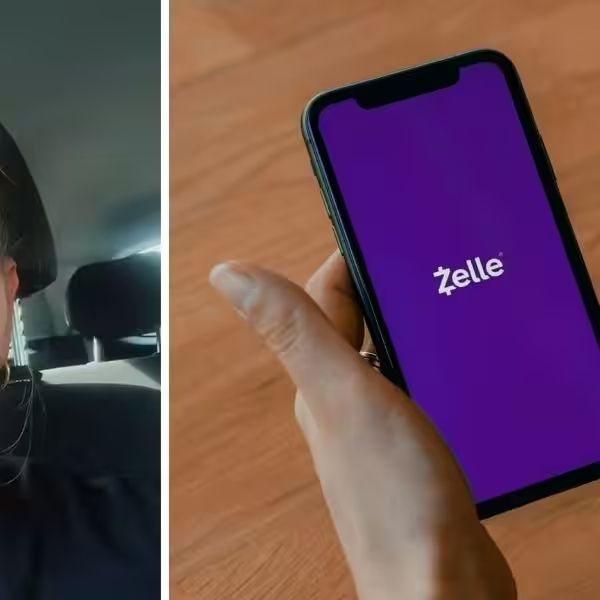
A Florida TikToker learned a hard lesson about online scams after what seemed like an influencer opportunity turned into a costly fraud.
How the Scam Worked
Melissa Nichole, who had been posting on TikTok for about a month, said a jewelry brand reached out, offering her a chance to promote their products. The company sent her two checks, which she deposited through her bank app.
Shortly after, the brand instructed her to send money via Zelle to a vendor so the jewelry could be shipped. Melissa followed their instructions, only to find out the checks were fake.
“My bank did not give me my money back and said that I authorized this,” she said, revealing a $1,400 loss.
Her Reaction
Melissa admitted she knew something felt off but “wanted to believe.” She shared her experience on TikTok to warn others and stressed she would move forward more cautiously, trusting her instincts before agreeing to any opportunities.
“I won’t be responding to anybody,” she said. “I’m just going to make sure things are legit and trust my intuition. I am so disgusted with myself. The shame I feel right now is visceral.”
Why Money Can’t Be Recovered
Money sent through Zelle is rarely reversible. Consumer protection agencies recommend reporting scams immediately to help track patterns and support enforcement actions. Victims of fake checks can also contact the U.S. Postal Inspection Service, and Florida’s attorney general has secured hundreds of millions in relief for residents affected by scams.
Tips to Avoid Fake Check Scams
-
Never send money in response to a check from an unknown source.
-
Be wary of requests for upfront payments for shipping, vendor fees, or processing costs.
-
Double-check unexpected checks for amounts higher than expected.
-
Legitimate companies don’t ask you to pay to receive prizes or job opportunities.
Community Response
Commenters reassured Melissa, emphasizing that anyone can be scammed. One wrote, “You’re not an idiot. Just learn that hard lesson. People are [expletive]. Trust no one.” Others shared similar experiences, highlighting that scams can affect anyone regardless of intelligence or experience.
Melissa’s story serves as a warning to stay vigilant and verify all online opportunities before sending money.
This article has been carefully fact-checked by our editorial team to ensure accuracy and eliminate any misleading information. We are committed to maintaining the highest standards of integrity in our content.







Leave a Reply