

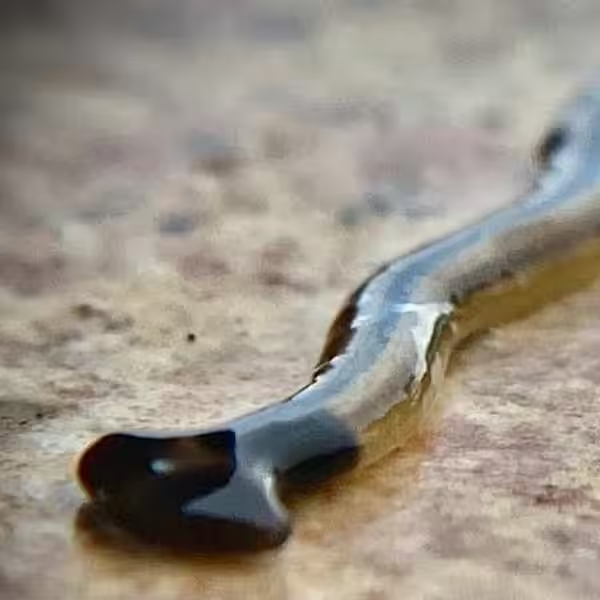
Residents in Ontario, Canada, are being urged to stay alert as the toxic hammerhead worm makes its return this spring.
According to reports, the unusual creature—often referred to as the “silent assassin”—has recently been spotted in areas including London and Hamilton.
The hammerhead worm is a toxic, non-native flatworm first identified in Ontario in 2017. Experts believe it was introduced to North America through imported plants from Southeast Asia.
These worms, also known as shovel-headed garden worms due to their distinct shape, typically grow between 5 and 10 centimeters long and can appear in a variety of colors.
One of the biggest concerns is their toxicity. Hammerhead worms produce tetrodotoxin—the same neurotoxin found in pufferfish. While not usually fatal to humans, the toxin can cause skin and eye irritation and may be harmful to pets if ingested.
Another alarming trait is their ability to reproduce rapidly. They can reproduce both sexually and asexually, with egg capsules hatching in about 23 days and producing multiple offspring. Even more concerning, they have no natural predators in these environments, allowing their populations to grow unchecked.
Hammerhead worms pose a serious ecological threat because they prey on earthworms, snails, and insects. Since earthworms play a vital role in maintaining soil health and nutrient cycles, their decline can negatively impact entire ecosystems.
Officials advise against touching the worms directly. If one is found, it should be handled using gloves, a stick, or a shovel, then placed in a sealed container with soapy water or a mixture of vinegar and salt. Cutting or crushing the worm is ineffective, as each segment can regenerate into a new worm.
Because these invasive species can easily spread through soil, plants, and gardening tools, residents are encouraged to inspect items carefully and report sightings to local authorities or citizen science platforms like iNaturalist.
Experts stress that preventing the spread of these worms is critical to protecting native ecosystems and maintaining biodiversity.












Leave a Reply