

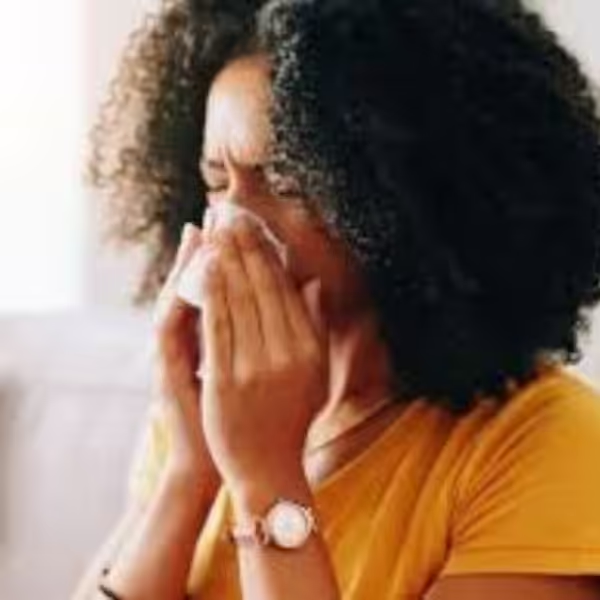
A little-known respiratory virus is spreading across the United States, with cases of human metapneumovirus (HMPV) rising since fall 2025.
The Centers for Disease Control and Prevention (CDC) reported that during the first week of March, HMPV accounted for about 5% of positive respiratory virus tests nationwide. Wastewater data also shows elevated activity across multiple regions.
Health officials are growing concerned, especially since there is no vaccine or targeted treatment for the virus. HMPV belongs to the same family as respiratory syncytial virus (RSV) and typically causes symptoms lasting about a week.
What is human metapneumovirus (HMPV)?
Human metapneumovirus (HMPV) is a respiratory virus that produces symptoms similar to the common cold, including cough, fever, runny nose, and wheezing.
Scientists first identified it in 2001, and it belongs to the same viral family as RSV.
How does HMPV spread?
According to the CDC, HMPV spreads through:
-
Airborne droplets from coughing and sneezing
-
Close contact, such as touching or shaking hands
-
Contact with contaminated surfaces followed by touching the mouth, nose, or eyes
In the U.S., the virus typically follows a seasonal pattern, starting in winter and continuing through spring.
What are the symptoms of HMPV?
Common symptoms include cough, fever, nasal congestion, and shortness of breath. In some cases, the illness can develop into bronchitis or pneumonia.
Because the symptoms resemble other respiratory infections, HMPV can be difficult to distinguish without testing.
Infants and children under two, adults over 65, and people with weakened immune systems face the highest risk of severe illness.
“For the vast majority of people outside those groups, HMPV is not a serious concern,” said Dr. Tyler B. Evans, an infectious disease physician and CEO of Wellness Equity Alliance.
“That said, for the high-risk groups, it can progress to lower respiratory tract disease, and that warrants attention, particularly in congregate settings like shelters and skilled nursing facilities where respiratory viruses spread efficiently.”
Is there a vaccine or treatment for HMPV?
There is currently no vaccine or specific antiviral treatment available.
“Medical care is supportive, and most people will recover on their own,” the CDC said.
If infected, individuals should stay home, rest, and drink plenty of fluids.
How can HMPV infection be prevented?
Preventive steps include frequent handwashing, regular cleaning of surfaces, avoiding close contact with sick individuals, and improving ventilation in indoor spaces.











Leave a Reply