

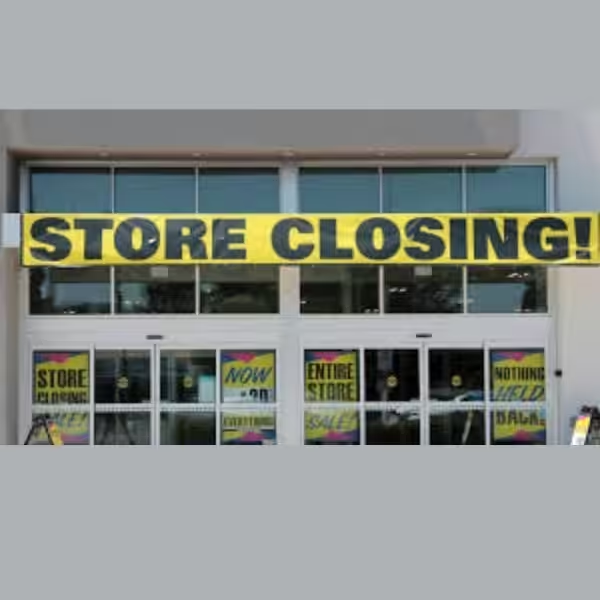
In 2025, over 8,100 stores closed across the U.S., with major chains like Walgreens, CVS, and Forever 21 leading the way. The trend reflects a shift toward online shopping and cost-cutting strategies as retailers adjust to changing consumer habits. The number of store closures rose 12% from 2024 to 2025, and several chains have already announced more closures for 2026.
GameStop
GameStop, a major video game retailer, is planning to close roughly 400 more stores in 2026, reducing its U.S. footprint by up to 30%. The closures come as GameStop shifts focus toward trading cards and cryptocurrency ventures. CEO Ryan Cohen’s high-stakes compensation package—potentially worth $35 billion in stock options—has also fueled cost-cutting measures.
Carter’s
Children’s clothing retailer Carter’s will shutter up to 100 stores by the end of 2026, part of a three-year plan to close 150 of its North American locations. The closures follow tariffs that raised Carter’s duty rate to nearly 38%, costing the company an estimated $35 million in 2025. The cost-cutting efforts are expected to save Carter’s up to $45 million in 2026.
Macy’s
Macy’s continues its Bold New Chapter plan, closing 14 more stores in 2026 to reduce its total number of branded stores to 350. The move allows Macy’s to invest in high-performing locations, expand e-commerce, and grow its Bloomingdale’s and Bluemercury brands.
Kroger
The grocery giant Kroger plans to close 21 stores in 2026, following the closure of 39 locations in 2025. This streamlining effort aims to improve efficiency and focus on high-growth areas, including expansion of e-commerce and delivery partnerships with Instacart, DoorDash, and Uber Eats.
Orvis
Outdoor goods retailer Orvis will reduce its U.S. presence from 71 locations to 33 stores and 2 outlets in early 2026. Tariffs and a strategic focus on proprietary clothing, equipment, and gear sales prompted the closures. Orvis will continue selling its products through 550 retailers and its website.
The retail landscape continues to evolve as brick-and-mortar stores face pressure from online shopping, tariffs, and operational costs, with more closures likely in the coming years.









Leave a Reply