

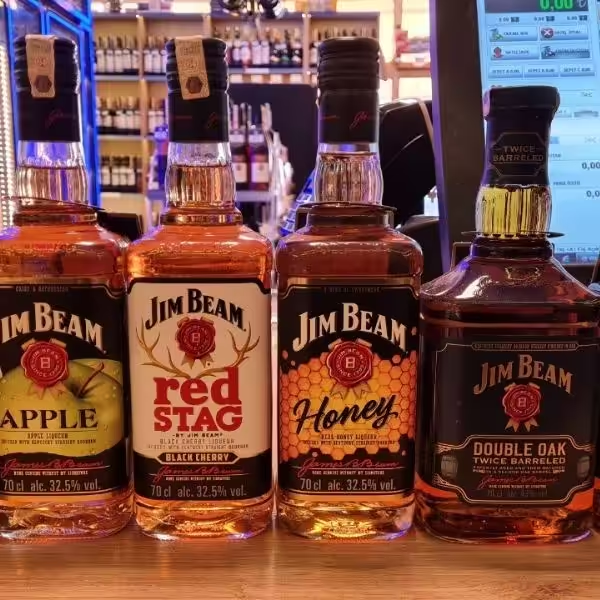
Kentucky’s once-booming bourbon industry is showing clear signs of stress as tariffs, slowing global demand, and shifting consumer habits collide. A $9 billion bourbon powerhouse rooted in the state is now cutting production, closing facilities, and shedding jobs, highlighting how quickly a legacy industry can stumble when multiple pressures hit at once.
From Boom to Bust
Tariffs have driven up the cost of American whiskey overseas just as demand began to cool. Retaliatory levies tied to President Donald Trump’s trade policies hit U.S. spirits hard, particularly in key export markets. Industry analysts say tariffs didn’t cause the slowdown alone, but they intensified it, leaving distillers with rising costs and weakening sales abroad. Kentucky, meanwhile, sits on a record 16.1 million aging barrels, an asset that becomes a liability when exports stall.
Jim Beam’s Year-Long Production Pause
The strain is most visible at Jim Beam, central to the $9 billion bourbon empire. The company has confirmed it will pause whiskey production for a full year starting in early 2026. The move signals a major reset as supply outpaces demand. The impact is already being felt, with reports citing up to 1,500 Kentucky jobs affected, rippling through suppliers, local businesses, and tourism tied to distilling.
Changing Markets and Drinking Habits
Tariffs hit an industry already facing headwinds. Americans are drinking less alcohol overall, and younger consumers are gravitating toward tequila, ready-to-drink cocktails, or non-alcoholic options. Combined with global trade disruptions and currency shifts, these trends have turned manageable inventory issues into deeper cutbacks.
Wider Fallout Across the Industry
The pain extends beyond one brand. Several whiskey producers have filed for bankruptcy as oversupply, tighter financing, and softer demand squeeze margins. Even industry leaders are adjusting strategies to survive a period of correction.
Political Debate and What’s Next
Critics argue tariff policies accelerated the downturn, calling the fallout a self-inflicted blow to Kentucky communities reliant on distilling jobs. Locally, the effects are measured in lost paychecks and quieter visitor centers. Some hope that slowing production will help reduce the barrel glut and stabilize the market if trade tensions ease.
For now, Kentucky’s bourbon industry is at a crossroads. A $9 billion empire has been shaken, and whether this moment becomes a long-term decline or a painful reset remains to be seen.









Leave a Reply