

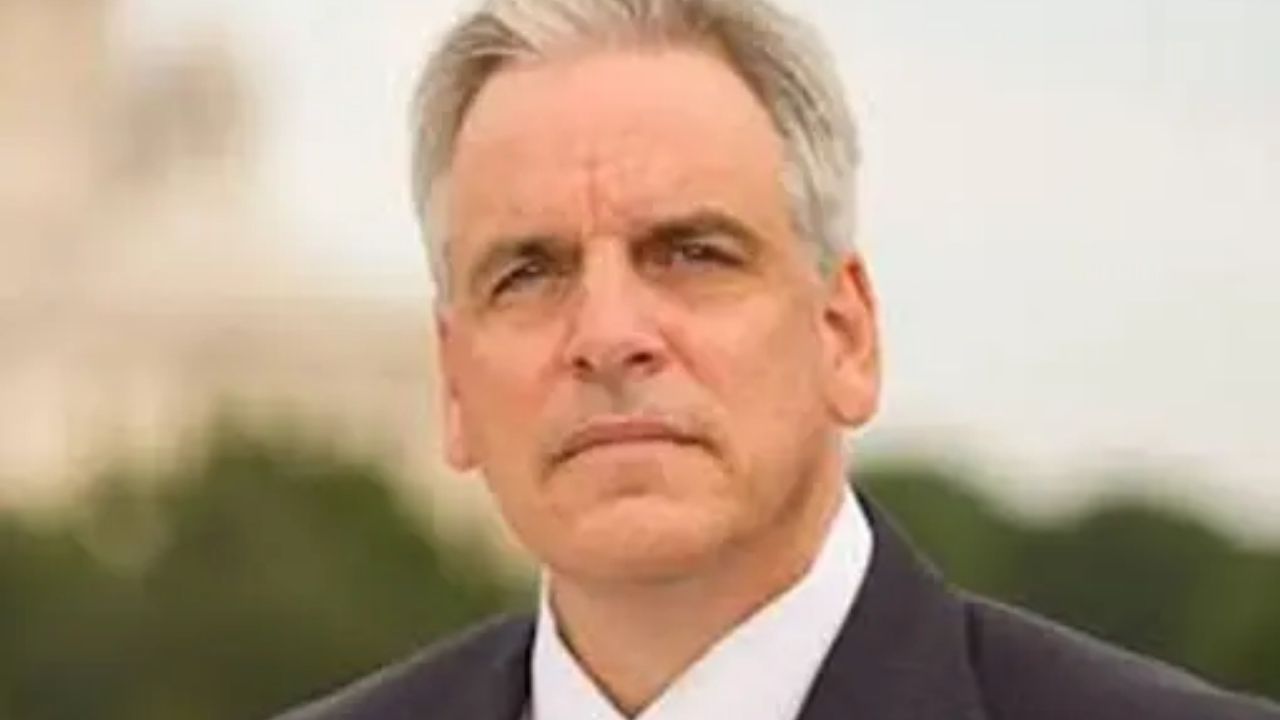
Attorney General Peter Neronha has announced that a statewide grand jury has returned a 51-count indictment against seven people in connection with an alleged scheme to defraud Rhode Island Medicaid of approximately $2 million via U’Nique Diversity Innovations, LLC, a community health worker provider in Providence. The alleged fraud involved invoicing for treatments that were never performed or significantly inflated, faking supporting documentation, and paying illegal kickbacks to recruit Medicaid beneficiaries.
Last week, the Office announced Medicaid fraud charges against seven additional individuals totaling more than $1 million.
“Medicaid funding provides essential health care services for some of our most vulnerable residents, which makes instances of Medicaid fraud all the more frustrating,” said Attorney General Neronha. “As the federal government continues to restrict Medicaid funding to the states, we must be even more vigilant in protecting these life-saving funds. Those who commit Medicaid fraud, as alleged here, are stealing public funds, thereby putting the health and safety of Rhode Islanders at risk. I thank the members of our Medicaid Fraud Control Unit for their outstanding work on these cases and their continued efforts to protect public resources while safeguarding access to critical health care services.”
Shanee Vega (44), Michael Pete (37), Nitasia Burgess (36), Larry Fisher (39), Elaisha Vega Ogiba (28), Jerry Nicoleau (46), and Yanelis Brown (20) were indicted this week on Medicaid fraud-related charges. Depending on the defendant, the charges may include Medicaid fraud, acquiring money under false pretenses, conspiracy, identity theft, public assistance fraud, unlawful appropriation, and violations of Rhode Island’s Racketeer Influenced and Corrupt Organizations legislation.
In 2022, the Executive Office of Health and Human Services launched the Medicaid-funded Community Health Worker program. While not professionals, CHWs help Medicaid recipients navigate the healthcare system. Medicaid pays for CHW services only when they are proven to be medically necessary. According to the State of Rhode Island Medicaid Program rules, CHW services are considered medically necessary for beneficiaries who have one or more chronic health (including behavioral health) conditions, are at risk of developing a chronic health condition, or face barriers to meeting their health or health-related social needs. Furthermore, CHW services must be offered by individuals who have been qualified as a CHW by the Rhode Island Certification Board (RICB) or who intend to become certified within the next 18 months.
According to the indictment, EOHHS approved UDI’s Medicaid CHW practice on November 13, 2024. Shanee Vega was UDI’s owner, CEO, and only biller. Elai’sha Vega Ogiba, her daughter, was co-owner and administrator; Larry Fisher was the non-medical clinical director; Nitasia Burgess, a licensed practical nurse, was UDI’s assistant director of nursing; and Pete, Brown, and Nicoleau were all UDI workers. The Indictment alleges that none of the seven defendants were certified as community health workers throughout the relevant time period.
The State says that between November 2024 and June 2025, Vega filed fraudulent claims, resulting in nearly $2 million in Medicaid payments to UDI. These claims included services that were never given, were significantly inflated, and were reportedly provided to family members while beneficiaries were confined.
To support the false billing, Vega and Pete allegedly used artificial intelligence to fabricate patient notes and treatment records months after the stated service dates. Vega, Burgess, and Fisher were also accused of fabricating, altering, and signing backdated employee training certificates, fraudulently claiming that UDI employees had completed the appropriate training for Medicaid reimbursement. Additional claims involve fabricated patient records presented to seek authorization for procedures.
The alleged plan also included financial rewards and bonuses for recruiting Medicaid recipients. Vega allegedly offered a $1,000 “bonus contest” to staff who brought in 10 new clients. Pete allegedly received these recruitment funds and worked with Vega to bill recipients for services that were never provided. Pete, Nicoleau, and Brown reportedly collaborated with Vega to acquire Medicaid reimbursements for services not rendered, including through backdated claims. Brown is also facing an identity theft accusation using a child’s identifying and financial information.
The indictment also claims that Vega knowingly and purposefully diverted Medicaid funds for her own use, including expenditures for cosmetic dentistry, esthetic treatments, and dining and restaurant expenses unrelated to UDI’s operations.
Vega and Vega-Ogiba are also facing SNAP fraud charges for allegedly neglecting to register their UDI ownership and business income while receiving food assistance payments. Vega allegedly collected more than $29,000 in reported compensation by April 2025, while Vega Ogiba allegedly received $8,900 in claimed salary in the first quarter of 2025.
Vega allegedly used Medicaid payments to prepay a two-year lease at 715 Branch Avenue in Providence. After EOHHS halted UDI’s Medicaid payments and billing privileges in May 2025, Vega, Vega Ogiba, and Burgess established two new firms at 715 Branch Avenue in Providence, using the leasehold interest purchased with illegal Medicaid dollars.
An inquiry by EOHHS’s Office of Program Integrity led to a referral to the Office’s Medicaid Fraud Control Unit in May 2025. In July 2025, MFCU executed a court-ordered search warrant at UDI’s Branch Avenue location, assisted by the Office’s Bureau of Criminal Investigation and the U.S. Department of Health and Human Services, Office of Inspector General (HHS-OIG).
The Medicaid Fraud Control Unit of the Office of the Attorney General investigated this matter, with support from the Rhode Island EOHHS OPI, the United States HHS-OIG, and the Federal Bureau of Investigation.
The Medicaid Fraud Control Unit receives 75% of its money from the United States Department of Health and Human Services.





Leave a Reply