

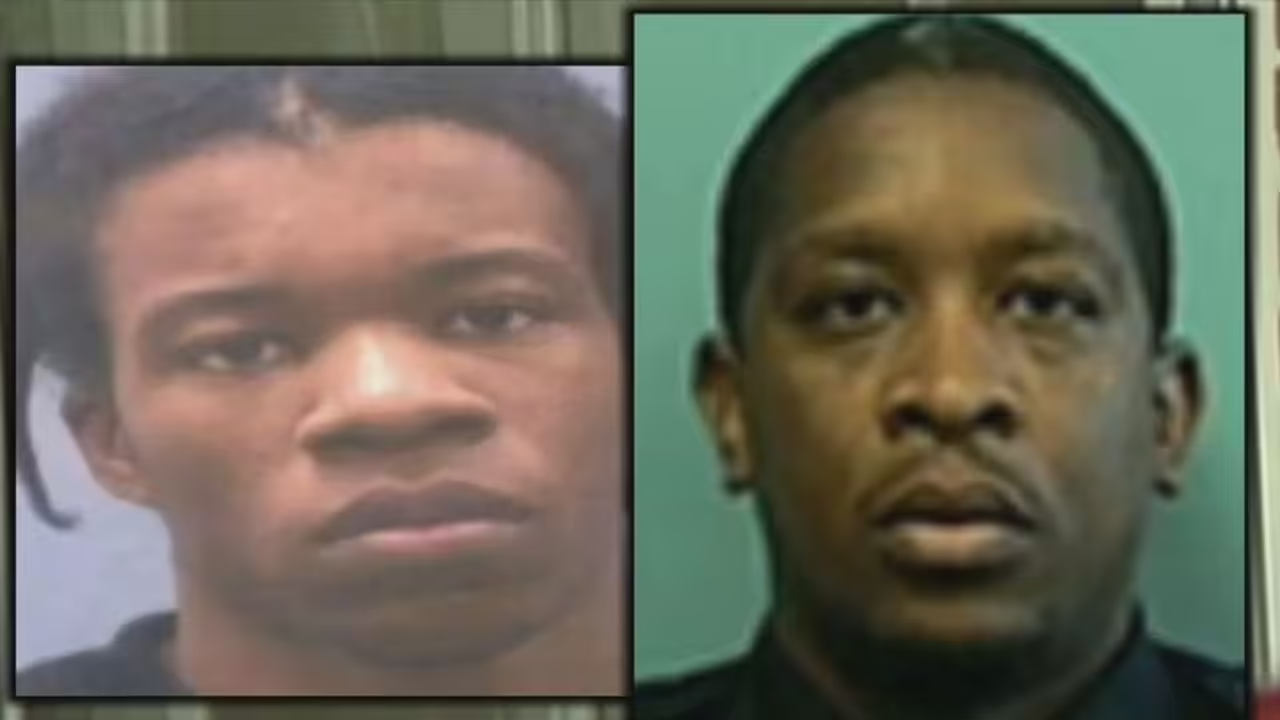
A Baltimore man already serving life without parole for the deadly shooting of a Baltimore police detective has been sentenced to an additional ten years in prison after prosecutors claimed he attempted to fraudulently secure his release by submitting false evidence.
Brandon Grimes was convicted of evidence tampering, identity fraud, and other felonies after a three-day jury trial, according to State’s Attorney Ivan Bates on Monday.
Prosecutors claimed Grimes attempted to achieve an exoneration, be released from jail, and receive approximately $1.5 million from the state of Maryland.
He was already serving a life sentence without parole plus 18 years for his 2008 conviction in the fatal shooting of Baltimore City Police Detective Troy Lamont Chesley Sr., who died on January 9, 2007, in the 4500 block of Fairfax Road.
Deputy Chief Michael Leedy and Assistant State’s Attorney Keri Borzilleri from the State’s Attorney’s Conviction Integrity Unit prosecuted the case.
The attempts made by the Defendant to falsely exonerate himself and receive financial benefits not only put the accreditation of our world-class crime lab at risk, but also undermine every real petition of actual innocence that comes forward from wrongfully convicted individuals,” said Bates, via press release. “Thanks to the diligent work of our Conviction Integrity Unit, this attempted deception was caught before a dangerous offender with a lengthy criminal record could be potentially released from incarceration and steal taxpayer dollars
According to authorities, Grimes began planning the plot in February 2018.
They claim he prepared bogus ballistics documents and presented them to the Baltimore City Circuit Court in an attempt to overturn his conviction and recover around $1,462,896 from the state via the Office of Administrative Hearings.
Grimes filed a petition for a Writ of Actual Innocence in March 2024, saying that prosecutors had discovered previously hidden ballistic evidence indicating that he had been shot by the same weapon that killed Detective Chesley.
The petition included a bullet report, which Grimes claimed proved that both he and Detective Chesley were victims of the January 2007 shooting.
However, the State’s Attorney’s Office Conviction Integrity Unit determined that the report was fraudulent and referred the case to Baltimore Police homicide detectives for further investigation.
Investigators stated the paper featured numerous discrepancies, including fabricated names and signatures of firearms examiners who did not prepare or sign the report.
They also discovered that the property numbers did not correspond to official records and that the report’s format differed from authentic Baltimore Police ballistics reports.
The inquiry reportedly turned up recorded jail phone calls in which Grimes allegedly discussed the conspiracy with others, including plans to fake documents, secure his release, and receive money from the state.
Grimes has filed many post-conviction motions seeking his freedom after his incarceration in 2008.
Prosecutors claim that each has been denied by courts.




Leave a Reply