

A newly available treatment is providing individuals diagnosed with keratoconus , a progressive degenerative eye condition , with a viable non-surgical alternative to conventional intervention.
Keratoconus predominantly affects young people and, if left unaddressed, can result in significant vision impairment and may ultimately necessitate a corneal transplant.
Mitchell Grometer received his diagnosis earlier this year. Currently enrolled at the University of Missouri, he first began noticing a decline in his vision during his time as a high school lacrosse player.
“I started squinting a lot in class and even, like, playing sports, I would have to like squint to even look at things,” he said.
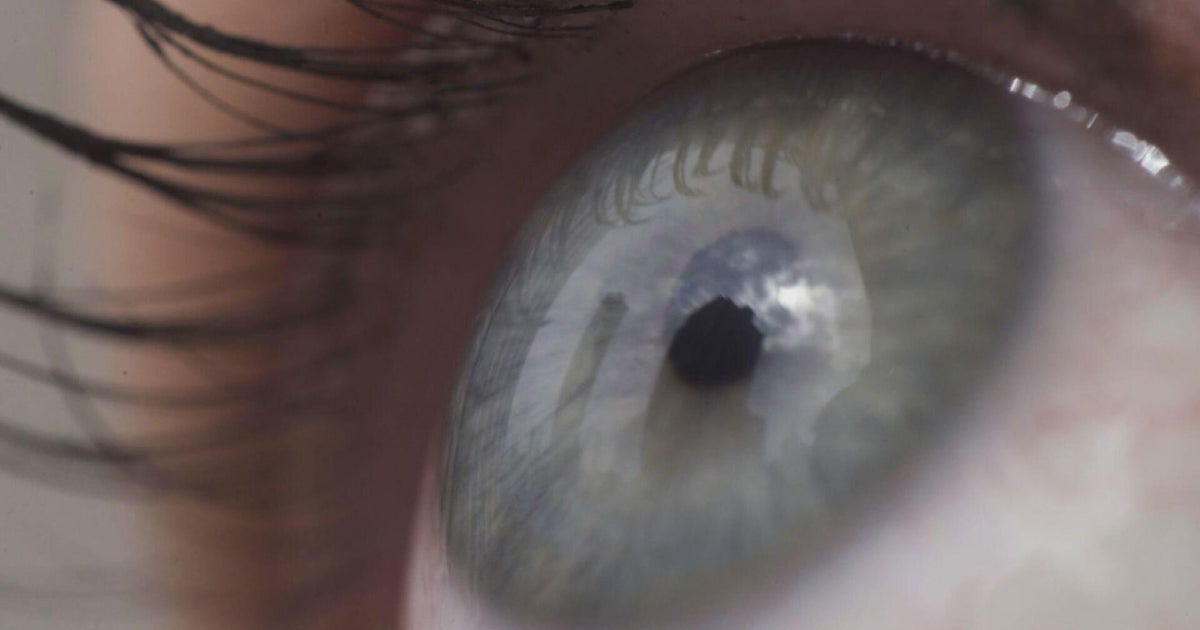
According to Dr. Neel Vaidya of Chicago Cornea Consultants, keratoconus directly impacts the cornea , the transparent layer at the front of the eye situated in front of the pupil and iris through which light passes.
“It actually develops this cone shape,” he explained. “And that happens because the fibers that make up the cornea aren’t as strong as they should be.”
Without treatment, the condition may progress to the point where a corneal transplant becomes necessary. Historically, the standard approach involved the surgical removal of a portion of the cornea. Grometer, however, underwent a newer procedure known as Epioxa, which was introduced in the United States earlier in 2026.
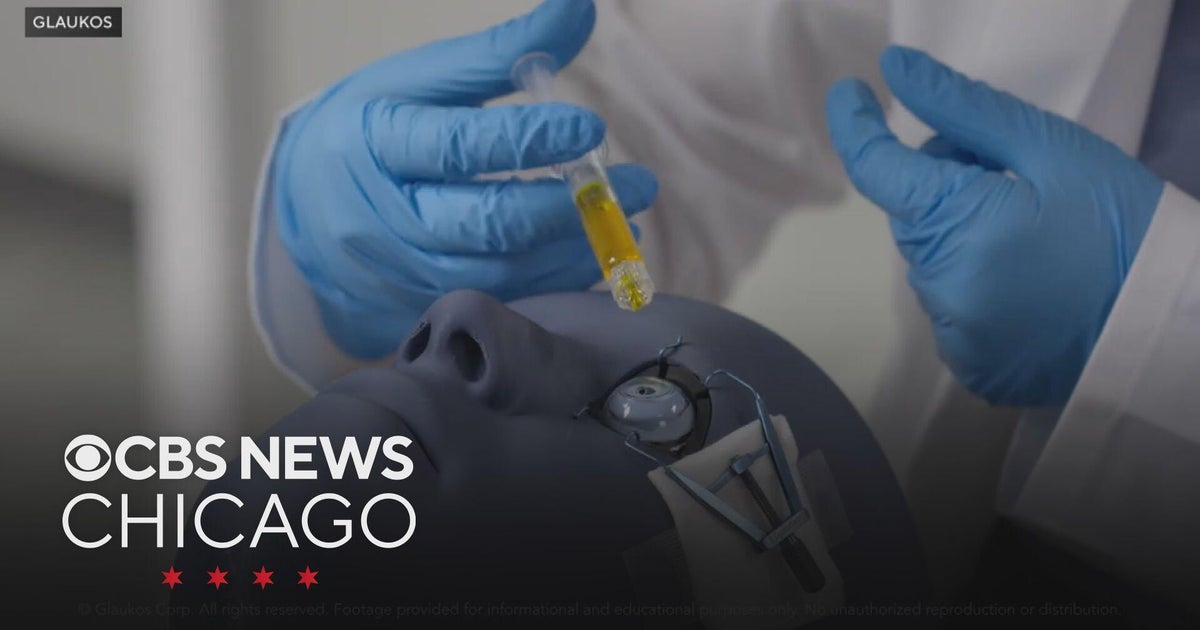
“We’re basically putting a specially formulated eye drop on the surface of the eye, coupling that with increasing the oxygen content in the area,” Vaidya explained. “So when we pump in oxygen with these special goggles, and by increasing the oxygen content in the area around the eye, it increases the penetration of this medication into the cornea.”
“Once the cornea has been sufficiently saturated with the medication, then we use a specially designed UV light, and the combination of the medication in the cornea and the UV light creates a chemical reaction,” he said.
Grometer reported that the procedure lasted only 30 minutes and was entirely painless. He noted that even after the numbing agent wore off, he experienced no discomfort. Furthermore, since the procedure involves no incisions, the recovery process is considerably more straightforward.
Epioxa works by stabilizing the eye, enabling patients to benefit from corrective contact lenses or eyeglasses , an option Grometer intends to pursue.
“I’m excited to be able to see things clearly,” he said.
Chicago Cornea Consultants is currently one of only four practices in the region offering the Epioxa procedure.





Leave a Reply